

The MICE industry is entering a new era.
After years of disruption, adaptation, and technological acceleration, meetings, incentives, conferences, and exhibitions are evolving at an unprecedented pace. Despite the advances in digital tools and artificial intelligence, one theme remains paramount: people continue to value meaningful human connections.
Today’s most successful events are no longer measured solely by attendance figures or venue size; they are assessed by the quality of experiences they create, the relationships they foster, and the business outcomes they deliver. For destinations, convention bureaux, venues, and hospitality providers, understanding these shifts is essential to remain competitive in an increasingly sophisticated marketplace.
Artificial Intelligence Is Transitioning from Experimentation to Implementation
Artificial intelligence is swiftly becoming an integral part of the event planning toolkit. From attendee matchmaking and agenda personalisation to content creation, event marketing, lead qualification, and real-time analytics, AI is helping organisers deliver more efficient and engaging experiences.
AI-powered platforms can analyse attendee interests, professional profiles, and behavioural patterns to recommend relevant sessions, suggest valuable networking opportunities, and design personalised event journeys. Behind the scenes, planners utilise AI to automate administrative tasks, analyse attendee feedback, forecast participation trends, and generate actionable insights that enhance future events. However, the most successful organisations are not using AI to replace human interaction; rather, they are leveraging it to enrich the attendee experience, allowing event teams to focus on what truly matters: crafting meaningful connections.
Experience Design Is Emerging as a Competitive Advantage
For many years, the success of an event was largely determined by operational excellence. As long as logistics ran smoothly, the event was deemed successful. Today, however, that standard is no longer sufficient.
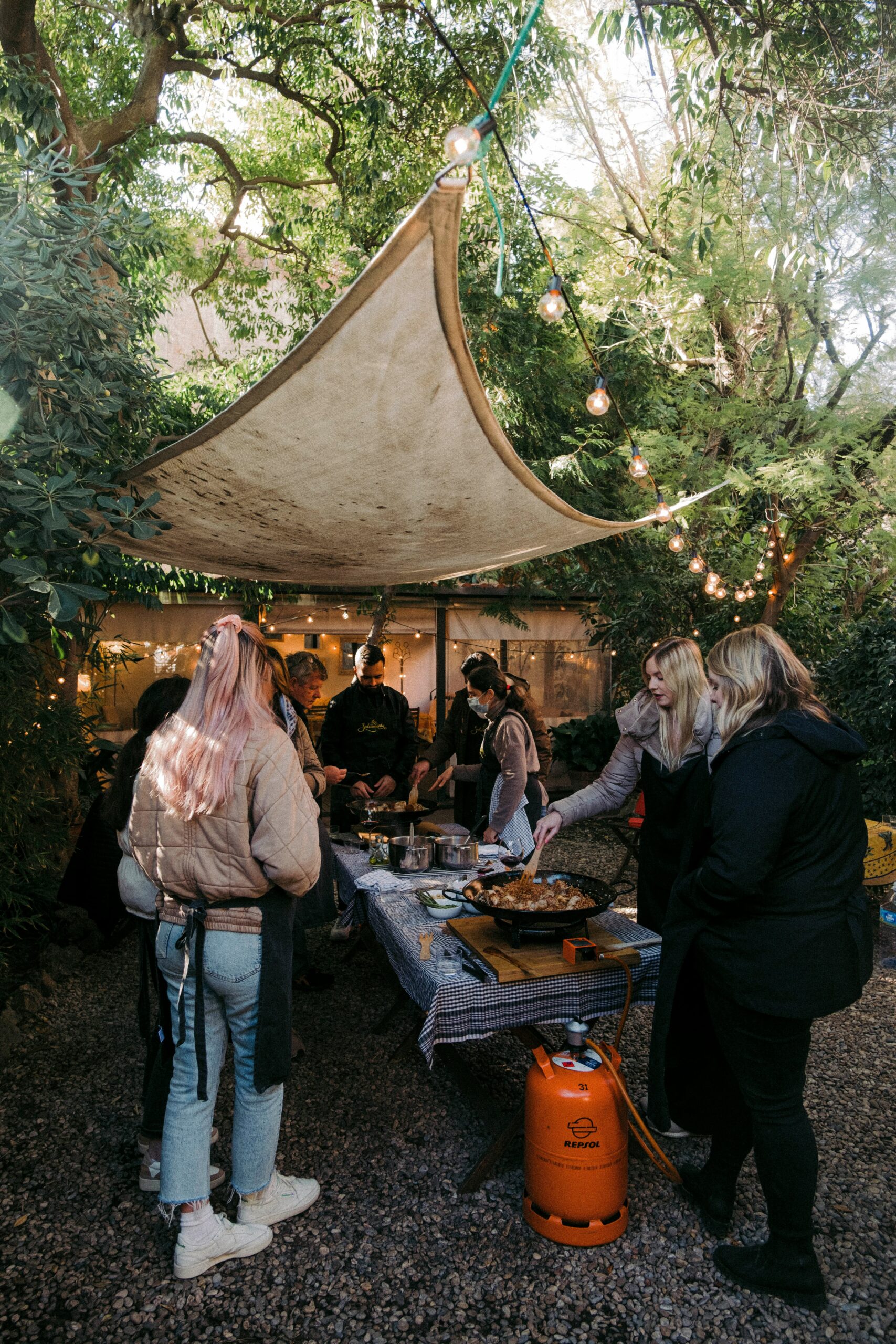
Attendees expect events to be engaging, memorable, and emotionally impactful. Organisers are increasingly investing in immersive environments, creative storytelling, audience participation, and experiences that ignite curiosity and interaction. Traditional lecture-style formats are giving way to collaborative workshops, experiential activations, live demonstrations, interactive content sessions, and destination-inspired experiences. The most successful events are designed not merely to inform participants, but to inspire them. The focus has shifted from managing attendees to actively engaging them.
Return on Engagement Is Joining Return on Investment
Event organisers have long been expected to demonstrate a return on investment. However, organisations are increasingly acknowledging that the true value of an event extends well beyond direct financial outcomes.
Consequently, Return on Engagement (ROE) is becoming a critical measurement. Companies are assessing how effectively events influence behaviour, strengthen relationships, encourage collaboration, enhance knowledge retention, and improve employee engagement. They seek to understand whether attendees left feeling inspired, if meaningful business connections were established, and whether the event achieved its strategic objectives. This broader perspective is transforming how events are planned, measured, and reported.
Face-to-Face Events Continue to Flourish
Despite the growth of virtual meeting technology, the demand for in-person events remains remarkably strong. Organisations increasingly recognise that face-to-face interactions deliver benefits that digital platforms cannot fully replicate. Personal meetings foster trust, strengthen relationships, improve collaboration, and create stronger emotional connections among participants.
In a world increasingly dominated by screens and remote communication, in-person events offer invaluable opportunities for genuine human interaction. For many organisations, conferences, incentive programmes, and leadership meetings are becoming even more significant, providing something that virtual platforms cannot: authentic personal connection.
Wellness Is Becoming Integral to Event Design
Wellbeing has become a central consideration in event planning. Attendees are increasingly seeking healthier, more balanced experiences that support both professional development and personal wellbeing. Consequently, organisers are moving away from tightly packed schedules and designing programmes that allow time for reflection, networking, and recovery.
Many events now incorporate outdoor activities, wellness experiences, walking meetings, mindfulness sessions, healthier dining options, and schedules that better respect participants’ physical and mental well-being. This shift reflects a broader understanding that engaged, rested, and energised attendees are more likely to participate actively and derive greater value from the event experience.
Sustainability Is Now Expected
By placing a greater emphasis on sustainable practices, the MICE industry is showing an increased awareness of its environmental footprint. Event organisers are now prioritising eco-friendly venues, minimising waste, and promoting sustainable catering options while encouraging attendees to adopt responsible behaviours. As such, integrating sustainability into the event planning process has become imperative.
These trends signal a transformative period in the MICE landscape, underscoring the importance of adapting to meet evolving attendee expectations and fostering connections that matter.
The Evolution of Hybrid Events
Hybrid events have progressed significantly beyond their initial post-pandemic phase, becoming increasingly sophisticated. Organisers no longer attempt to deliver identical experiences to both virtual and in-person audiences; instead, they recognise that each group has distinct expectations and requirements.
Modern hybrid strategies are centred around creating complementary experiences that leverage the strengths of each format. In-person participants enjoy networking opportunities, immersive experiences, and face-to-face interactions, while virtual attendees benefit from flexible content, on-demand learning, and engaging digital experiences. This approach results in a more strategic and sustainable engagement model that extends the lifespan and reach of events.
Personalisation: The New Norm
Attendees are increasingly expecting experiences that align with their individual interests, professional aspirations, and learning preferences. Technology is empowering organisers to go beyond standardised event formats and craft highly personalised attendee journeys. From customised agendas and tailored content recommendations to curated networking introductions and targeted communications, personalisation has become a hallmark of successful events. As expectations continue to evolve, attendees are more likely to judge events based on their capacity to deliver relevant and meaningful experiences tailored to their specific needs.
Emerging Destinations on the Rise
The traditional dominance of major global convention cities is gradually shifting. Rising costs, mounting competition, and a growing demand for authentic experiences are prompting organisers to consider new destinations. Secondary cities and emerging MICE (Meetings, Incentives, Conferences, and Exhibitions) destinations are gaining attention for their unique cultural offerings, efficient logistics, solid value propositions, and opportunities for greater exclusivity. Many medium-sized destinations are especially well-positioned to capitalise on this trend, combining robust infrastructure, local character, accessible experiences, and competitive pricing to effectively compete against larger, more established cities. For many decision-makers, uniqueness is becoming just as significant as scale.
Accessibility at the Core of Event Planning
Accessibility is now regarded as a fundamental component of event excellence. Organisers are adopting a broader, more inclusive approach to event design, recognising that accessibility encompasses far more than physical infrastructure. Considerations now extend to sensory environments, neurodiversity, language accessibility, adaptable learning formats, and inclusive networking opportunities. The aim is to create spaces where all participants can engage fully and comfortably, regardless of their individual circumstances or needs. Inclusive event design not only supports diversity objectives but also enhances the overall attendee experience.
Networking as the Centrepiece
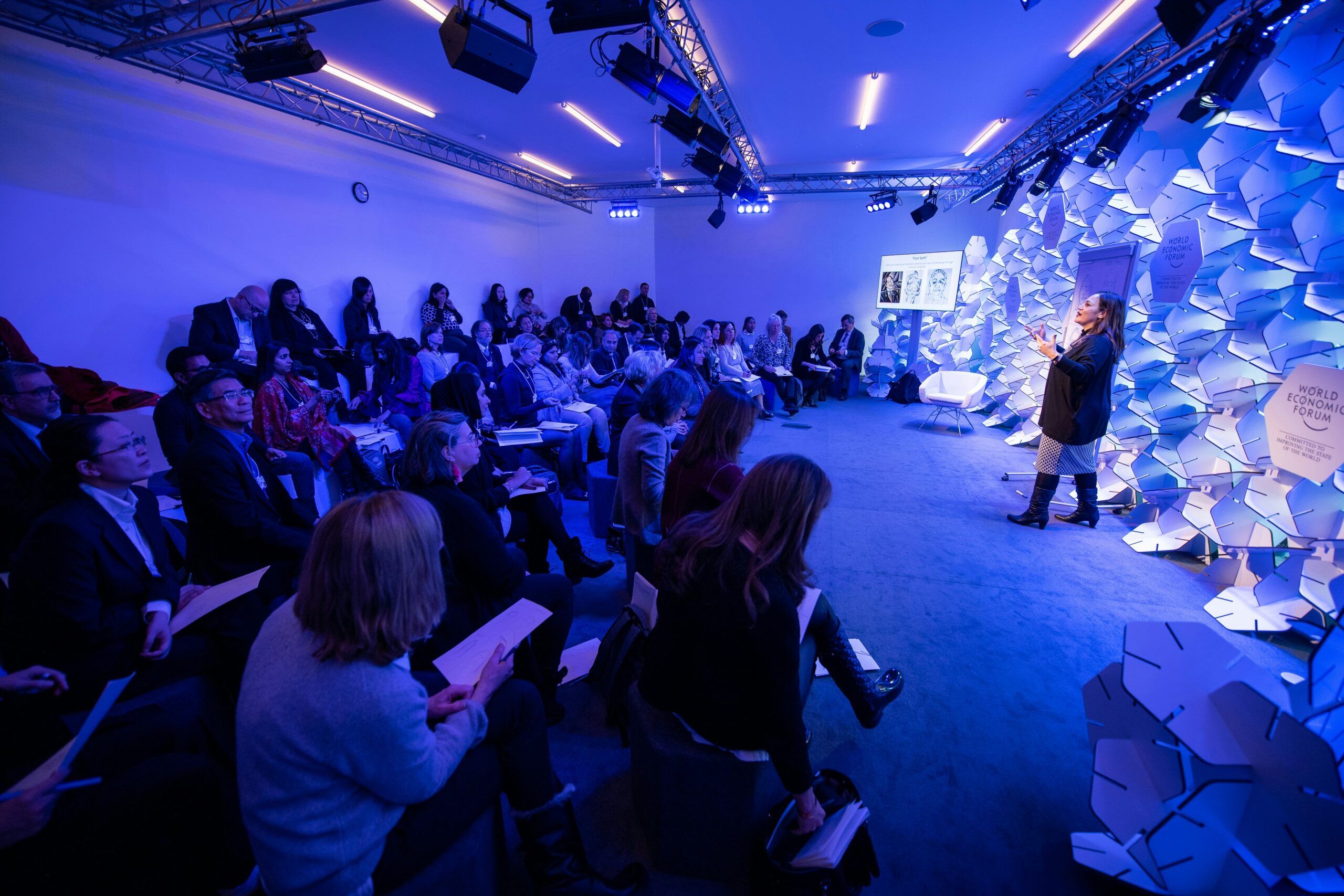
With access to information more readily available than ever, industry knowledge, presentations, research, and educational content are easily found online. Consequently, attendees are increasingly viewing networking as one of the main reasons to participate in live events. In response, organisers are placing greater emphasis on structured networking programmes, hosted buyer meetings, peer-to-peer learning opportunities, business matchmaking platforms, and community-building experiences. The most successful events are evolving into platforms for relationship development rather than merely venues for content delivery.
Meetings as Strategic Business Tools
Perhaps the most significant trend shaping the future of MICE is the evolving perception of events within organisations. Meetings, incentives, conferences, and exhibitions are increasingly regarded as strategic investments rather than operational necessities. Organisations are leveraging events to drive revenue growth, strengthen organisational culture, support talent retention, accelerate innovation, enhance brand reputation, and foster stakeholder relationships. As expectations continue to rise, destinations and venues are no longer simply hosts; they are becoming partners in helping organisations achieve broader business objectives.
Implications for Destinations
For destinations, convention bureaux, venues, and hospitality brands, the future of MICE presents profound opportunities. Success will increasingly depend on more than just venue capacity and accommodation inventory. Buyers are looking for destinations that offer authentic experiences, sustainable practices, innovative infrastructure, accessibility, wellness options, and environments that encourage meaningful connections.
At Axis Travel Marketing, we assist destinations, convention bureaux, venues, and hospitality brands in understanding these changing market dynamics and positioning themselves effectively within key European source markets. As the MICE industry continues to evolve, one thing remains clear: the destinations that integrate technology with authentic experiences will thrive in this new landscape.
Photo by Evangeline Shaw on Unsplash